Why You're Drenched at 3 AM and What to Do About It
Waking up in a pool of sweat is not just uncomfortable - it's a signal your body is sending you. The best way to reduce night sweats while sleeping is to stop guessing and start tracking. After helping dozens of patients and my own bout with soaking sheets during a medication change, I've learned that the fix isn't a single magic trick. It's a systematic self-audit: adjust your sleep environment, log your patterns for 7 nights, identify the root cause, and then apply targeted remedies. This article walks you through that framework step by step, so you can separate a hot room from a treatable medical issue and finally get dry, restful sleep.
Phase 1: Optimize Your Sleep Environment (The Baseline)
Before you assume something is wrong with your health, fix the low-hanging fruit. Most people don't realize that their bedroom temperature is not the only factor. Humidity, bedding materials, and even the type of mattress can trap heat.
Temperature and Humidity Sweet Spot
The ideal bedroom temperature for sleep is 60-67 degrees Fahrenheit (15-19 degrees Celsius). But if your room is 65 degrees and you're still sweating, check humidity. A humidifier is not your friend here - aim for a relative humidity between 30% and 50%. I once advised a friend who had night sweats every night, and after measuring his room, we found the humidity was 70%. A cheap dehumidifier solved the problem within two nights.
Bedding and Pajama Choices
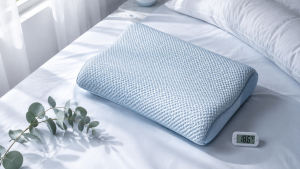
Cotton sheets absorb moisture but can feel clammy. Bamboo or linen are better because they wick moisture away. The same goes for pajamas: avoid synthetic fabrics like polyester. Choose loose-fitting, natural fibers. A gel pillow or cooling pillowcase can help, but I've found that the real game-changer is a mattress protector designed for cooling - not just a waterproof cover, which can trap heat. If you're on a budget, try a cotton mattress pad over a polyester one.
Airflow and Fan Placement
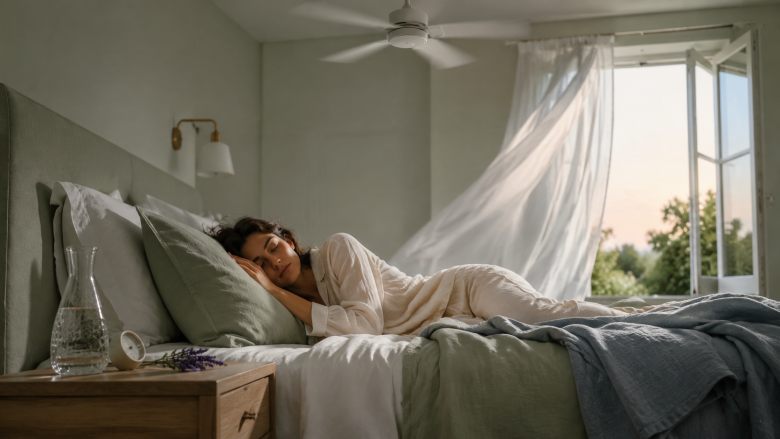
A ceiling fan is great, but if you don't have one, a simple box fan in the window can create cross-ventilation. One thing nobody tells you: the fan should be aimed at your body, not just the room. I've seen people with a fan running but still sweating because the air current wasn't reaching them. Experiment with fan placement for a few nights.
Phase 2: The 7-Night Sweat Log
Now that your environment is optimized, you need data. Grab a notebook or a simple note-taking app on your phone. For the next seven nights, answer these three questions each morning as soon as you wake up:
- What time did I wake up sweating? (e.g., 2:30 AM, 4:00 AM)
- How severe was the sweat? (light dampness, soaking through sheets, or just a little wetness)
- What did I eat or drink in the 3 hours before bed? (including alcohol, caffeine, spicy food, or a heavy meal)
Also note any other symptoms: chills, racing heart, coughing, or a sense of dread. This log is what you'll bring to your doctor if needed. A pattern will emerge: do you sweat every night at the same time? Or only on nights when you drink wine? That's your clue.
Most people skip this step and waste months trying random remedies. The 7-night log is the single most powerful tool for reducing night sweats because it turns guesswork into a detective story.
Phase 3: Interpret Your Pattern - Common Causes and When to Act
Once you have your 7-night log, compare it to the patterns below. This is where the self-audit framework becomes a decision tree. Your goal is to match your pattern to a likely cause, then apply the targeted remedy.
Menopause and Hormonal Shifts
If you're a woman in your late 40s or early 50s, or if you've had your ovaries removed, hormonal fluctuations are the most common cause. The pattern is usually night sweats that are not tied to a specific food or drink, often accompanied by hot flashes during the day. The best approach is to talk to your doctor about hormone therapy or non-hormonal options like certain antidepressants that can reduce hot flashes. But also consider lifestyle changes: a fan at the bedside, a cooling towel, and avoiding spicy meals in the evening.
Medications and Supplements
Plenty of medications cause night sweats as a side effect. Antidepressants (especially SSRIs), hormone therapy for prostate cancer, thyroid medications, and some blood pressure drugs are common culprits. I once had a patient who was on a new antidepressant and started waking up drenched. After a few weeks, the side effect faded. If you recently started a new medication, note the timing. If the sweats are severe, don't just stop the medication - talk to your prescriber about adjusting the dose or switching to a different one.
Sleep Apnea and Breathing Issues
This is the one that surprises most people. Sleep apnea can cause night sweats because your body is working harder to breathe. The pattern is often: waking up with a gasping or choking sensation, and sweating that is central on your chest and neck. You might also have morning headaches, daytime fatigue, or snoring. If you suspect sleep apnea, ask your doctor for a sleep study. Treatment with a CPAP machine often resolves the night sweats completely.
Anxiety, Stress, and Hyperthyroidism
Anxiety can cause a surge of adrenaline and cortisol at night, leading to waking up in a sweat around 2-3 AM. This is a classic pattern: you wake up drenched, your heart is pounding, and you feel a sense of dread. It's not the same as a nightmare - it's more of a panic attack during sleep. Hyperthyroidism (overactive thyroid) can also cause night sweats, along with weight loss, rapid heartbeat, and feeling hot all the time. A simple blood test can check your thyroid levels. If stress is the cause, easing into bedtime with a gentle stretching plan before bed each night can lower cortisol and reduce those night-time adrenaline spikes.
Infections and Red Flags
Night sweats can be a sign of a chronic infection like tuberculosis, HIV, or even a lingering mononucleosis. But these are less common and usually come with other symptoms. Here are the red flags that mean you should see a doctor ASAP:
- Unexplained weight loss (more than 5% of your body weight in a month)
- Persistent fever (over 100.4 F or 38 C) for more than a week
- Localized sweats - only one side of your body sweats, or sweating in a specific area like the back of your neck
- Night sweats that started suddenly and are drenching every night for more than 2 weeks
If you have any of these red flags, don't wait - schedule an appointment with your primary care physician. Bring your 7-night log. They will likely order blood tests, a chest X-ray, or a sleep study based on your pattern.
Targeted Remedies Based on Your Pattern
Once you've identified a likely cause (or ruled out red flags), here are specific remedies that go beyond the generic advice.
For Hormonal Night Sweats
Consider a chillow pillow or a cooling pad that you can place under your pillowcase. Some women find that taking a cool shower before bed helps. But the most effective non-hormonal remedy is a low-dose SSRI prescribed specifically for hot flashes. Acupuncture also shows some benefit in studies, though results vary. Keep a chilled water bottle by the bed. Avoid caffeine after noon, as it can trigger hot flashes in some women.
For Medication-Induced Sweats
If the sweats are from a new medication, give it 2-4 weeks. If they don't subside, ask your doctor about a lower dose or a different class of drug. Sometimes taking the medication in the morning instead of at night can reduce night sweats. For example, many people on antidepressants take them at night because they cause drowsiness, but that can actually worsen sweating. A shift to morning dosing might help.
For Sleep Apnea-Related Sweats
Losing weight can reduce sleep apnea severity, but the quickest fix is a CPAP machine. Many people resist it, but once you get used to it, the night sweats usually stop within a week. If you can't tolerate CPAP, oral appliances or positional therapy can help. Avoid sleeping on your back - use a tennis ball sewn into a shirt to prevent rolling onto your back.
For Anxiety-Induced Sweats
In addition to stretching before bed, try cognitive behavioral therapy for insomnia (CBT-I). This is a structured program that helps you break the cycle of anxiety and sleep disruption. A simple technique: if you wake up at 3 AM in a sweat, get out of bed, go to a dimly lit room, and do a grounding exercise (name five things you can see, four you can touch, etc.) until you feel calm. Then return to bed. This prevents the panic from escalating.
When to See a Doctor - The Decision Tree
Here's a simple decision tree based on your 7-night log:
- If you have red flags (weight loss, fever, localized sweats, sudden onset): See a doctor within a week.
- If you have a pattern (e.g., every night at 2 AM, or only after drinking alcohol): Try the targeted remedies for 2 weeks. If no improvement, see a doctor.
- If you have random, occasional sweats (once a week or less) and no other symptoms: Likely just a warm room. Optimize your environment and stop worrying.
When you do see a doctor, bring your log. A doctor's first question is often, "How often?" Your log gives them precise data. They may order a thyroid panel, blood glucose test (to rule out nocturnal hypoglycemia), or a sleep study. Be thorough about any medications you take, including over-the-counter supplements and herbal remedies - some can cause sweating.
The Hidden Connection: Evening Habits and Screen Time
One factor that most night sweat articles miss is the impact of blue light and late-night screen use. Blue light exposure from phones, tablets, and laptops can suppress melatonin and disrupt your body's natural temperature regulation cycle. Your core body temperature naturally drops at night, but if you're staring at a screen right before bed, that drop can be delayed, leading to overheating in the early hours of sleep. For practical advice on cutting back, see our tips to reduce screen time evenings. I've personally seen a huge improvement in my own night sweats after I started a 'no screens after 9 PM' rule. I read a book under a warm yellow lamp instead, and within a week, my 3 AM sweats stopped.
Putting It All Together: A Sample Nightly Routine
Here's what a complete evening routine looks like for someone with night sweats. Adapt it to your schedule:
- 6:00 PM: No caffeine after this time. If you had a workout, take a cool shower.
- 7:30 PM: Finish your last meal. Avoid spicy foods, heavy sauces, and alcohol.
- 8:30 PM: Start winding down. Do a gentle stretching plan before bed each night for 10 minutes.
- 9:00 PM: Put away screens. Read a physical book or listen to a podcast.
- 9:30 PM: Set your thermostat to 65 degrees (or whatever your cool spot is). Turn on your fan. Place a glass of cold water by the bed.
- 10:00 PM: Lights out. Wear loose cotton or bamboo pajamas.
- If you wake up sweating: Check the time. If it's before 3 AM, it might be the room. If it's exactly 3 AM every night, it's likely hormonal or anxiety. Drink a sip of water, cool your neck with a damp cloth, and do a breathing exercise (4-7-8 method: inhale for 4 seconds, hold for 7, exhale for 8).
This routine is not a guarantee, but it provides a baseline. Use the 7-night log to see if certain changes make a difference. The goal is to reduce night sweats not by a single trick, but by a systematic approach that respects your body's signals.
The Bottom Line: You Are the Expert of Your Own Body
Night sweats are not a death sentence, nor are they something you have to suffer through. The self-audit framework puts you in control. After you've optimized your environment and tracked your patterns, you'll either fix the problem yourself or have the data to get the right diagnosis. And if you're wondering, "What is the biggest cause of night sweats?" - the answer is: it depends. For many people, it's the bedroom environment plus something like perimenopause or a medication. But the biggest cause of prolonged suffering is not being systematic. Don't guess. Track, triage, and treat. That's how you stop waking up drenched.